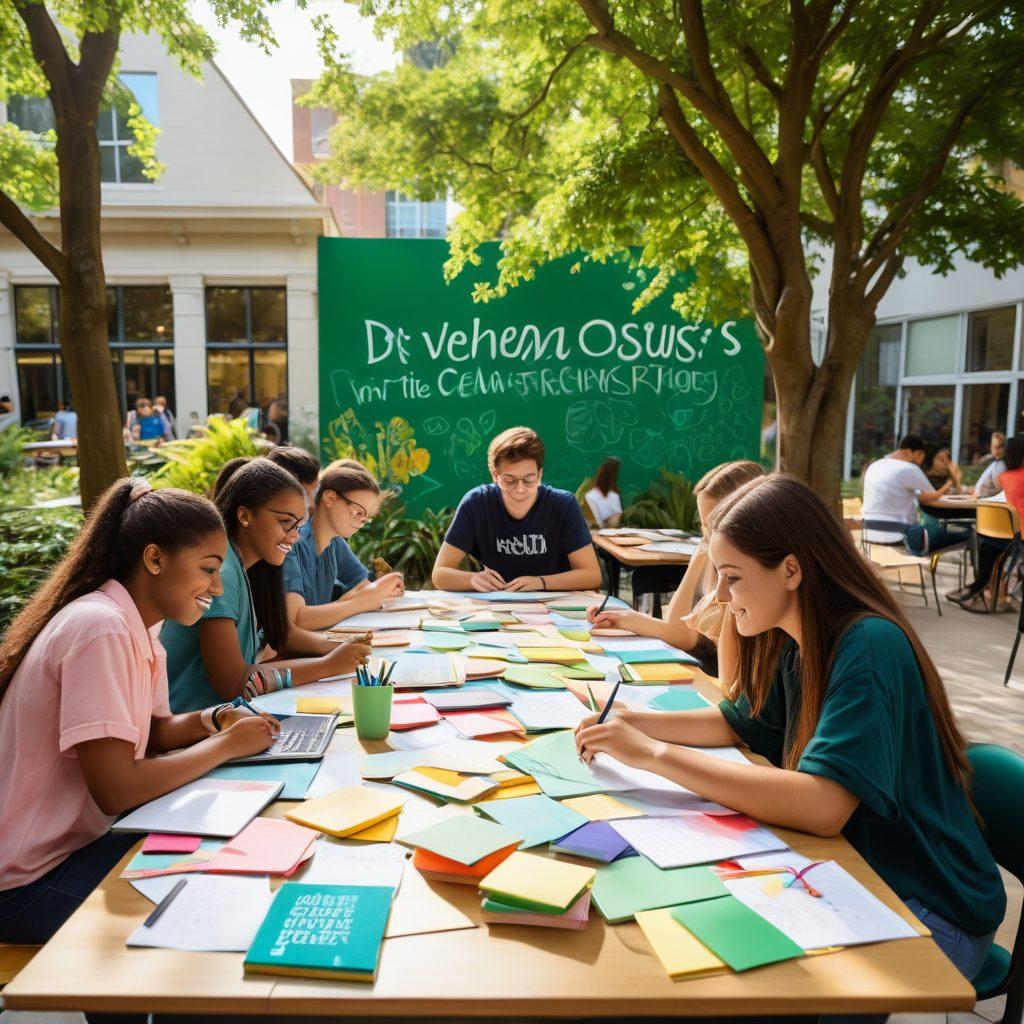
Unlocking Success: Essential Resources for Thriving in University Life
As you embark on your journey through higher learning, the vast world of academic writing waits to be conquered. Have you ever felt overwhelmed by the prospect of crafting scholarly articles? Trust me, you're not alone. Academic writing is a skill that many students struggle with, yet it is a fundamental aspect of university life that can shape your educational experience. With the right tools and strategies, mastering academic writing won't just elevate your grades; it will also enhance your overall understanding of course materials and propel you toward success in your degree programs.
Imagine this: You sit down at your desk, surrounded by a mountain of books and notes, ready to tackle your next research project. The clock is ticking, and the pressure is mounting. Sounds familiar, right? The good news is that academic writing isn't just about following a strict format or meeting deadlines. It's an opportunity for knowledge sharing—an avenue for you to express your unique voice while contributing to the campus culture of inquiry and learning. So, what if I told you that you could develop this skill to not only boost your grades but also prepare you for professional development beyond your graduate studies?
One effective study tip to enhance your academic writing is to familiarize yourself with the scholarly articles coming out of your faculty publications. These resources showcase the standards and expectations within your specific field. By analyzing these works, you’ll glean insights into structure, tone, and the nuances that define great writing. Plus, engaging with these materials can stimulate your critical thinking skills—a crucial component in any tertiary education setting, especially for budding scholars embarking on their research projects.
Furthermore, take advantage of alumni resources and internship opportunities that may be available through your university. Many successful graduates often share their educational resources, outlining the strategies that helped them thrive. Networking with alumni not only provides you with mentorship but also highlights the importance of student engagement within a supportive community. They might just share invaluable writing tips or recommend tools that helped them excel in their academic writing endeavors, further shaping your path to scholarly success.
Mastering the art of academic writing is a journey, not a destination. As you refine your skill set, remember to embrace online learning platforms and workshops that offer detailed guidance on writing techniques. Explore your university’s writing center, where trained professionals can provide feedback on your drafts and support your growth as a writer. The road may be challenging, but with patience, practice, and the right educational resources, you will develop into a confident writer capable of producing compelling essays and insightful scholarly articles. So, are you ready to start your journey toward mastering academic writing and unlocking a world of opportunities during your university life?
From Course Materials to Internship Opportunities: Essential Tools for University Life
Transitioning to university life can feel akin to embarking on a thrilling adventure. With its vibrant campus culture, diverse student life, and opportunities for personal and professional growth, higher learning offers a kaleidoscope of experiences. As you navigate through your degree programs, how do you ensure that you're not just surviving, but thriving? The answer lies in accessing a rich array of educational resources, from course materials to internship opportunities that can elevate your academic journey.
Academic writing and scholarly articles may sound daunting at first, but these tools are your navigational guides in the world of tertiary education. Imagine embarking on a research project that ignites your passion—how empowering is that? Delving into faculty publications not only expands your knowledge base but also connects you with scholars who inspire and mentor. By understanding and utilizing available academic programs, you can transform stress into strength and uncertainty into clarity as you chart your coursework and academic pursuits.
But what about the often-overlooked aspect of student engagement? Interactive online learning platforms and forums facilitate knowledge sharing beyond the classroom walls. They allow you to connect with peers and professors alike, opening doors to collaboration on shared interests. Ask yourself, are you taking full advantage of these platforms? Embrace the possibilities they offer and engage actively in discussions that stimulate critical thinking and broaden your perspective.
There's also the crucial element of internship opportunities. These are not merely a footnote in your educational journey; they are essential stepping stones toward professional development. Securing an internship often leads to invaluable “real-world” experiences where you apply theoretical knowledge gained in lectures to practical situations. Make a habit of reaching out to alumni resources—they often have insider tips on industry trends and can illuminate pathways that you hadn’t even considered.
Finally, let’s not forget effective study tips. Crafting a personalized study schedule that incorporates breaks and social activities is key to maintaining balance and preventing burnout. Additionally, don’t hesitate to seek help. Whether through guidance from academic advisors or utilizing campus tutoring services, part of thriving in university life is learning how to ask for support. Remember, your journey through university is not just about checking boxes; it’s about growth, discovery, and seizing opportunities that lead to a successful future.
Engaging with Campus Culture: Building Connections and Resources for Future Success
As you step onto the vibrant campus for the first time, the experience can be both exhilarating and overwhelming. University life is not just about higher learning and academic rigor; it’s about immersing yourself in a rich campus culture that offers a myriad of opportunities for personal and professional growth. How do you navigate these waters? How do you transform your university years into a treasure trove of connections and resources for future success? Let's dive into the heart of student engagement and discover the keys to building a community that will benefit you long after graduation.
Engaging with campus culture is crucial for thriving in university life. This means stepping outside of your comfort zone to participate in clubs, organizations, and events that resonate with your interests. It's about fostering relationships—be it with fellow students, faculty members, or alumni. Have you ever considered the power of networking? Whether it's an internship opportunity or a collaborative research project, your connections can pave the way for a brighter future. As renowned author Maya Angelou once said, "I’ve learned that people will forget what you said, people will forget what you did, but people will never forget how you made them feel." How do you want to be remembered during your time at university?
Academic writing and scholarly articles are staples of tertiary education, and engaging effectively with these materials can enhance your learning experience. Utilizing educational resources like library databases, academic journals, and online learning platforms will not only improve your grades but also prepare you for future research projects. You might ask, "How do I make sense of this mountain of course materials?" The answer lies in developing study tips tailored to your learning style. Whether it's forming study groups or seeking help from faculty publications, leveraging these resources will build a solid foundation for your academic pursuits.
The concept of knowledge sharing extends beyond the classroom. Participating in workshops and panels related to your degree programs can enrich your understanding of your field. Moreover, universities often provide alumni resources that connect current students with graduates who have ventured into the professional world. Have you thought about how valuable these insights could be? Engaging with alumni can sometimes lead to mentorships or even job offers. Caring for your student life means nurturing these connections, opening doors, and making the most of the educational resources available to you.
Finally, never underestimate the importance of campus culture in your professional development. Attend seminars, volunteer for projects, and be proactive in your academic programs. Each experience contributes to your skill set and expands your network. The journey of university life is a pivotal chapter in your personal story, intertwined with learning and opportunity. So, are you ready to dive into the rich tapestry of student engagement? Embrace the challenges, seek out connections, and let each moment in your university life pave the way for your success. Remember, every interaction can lead to a new opportunity; make the most of them!